Roller shutters
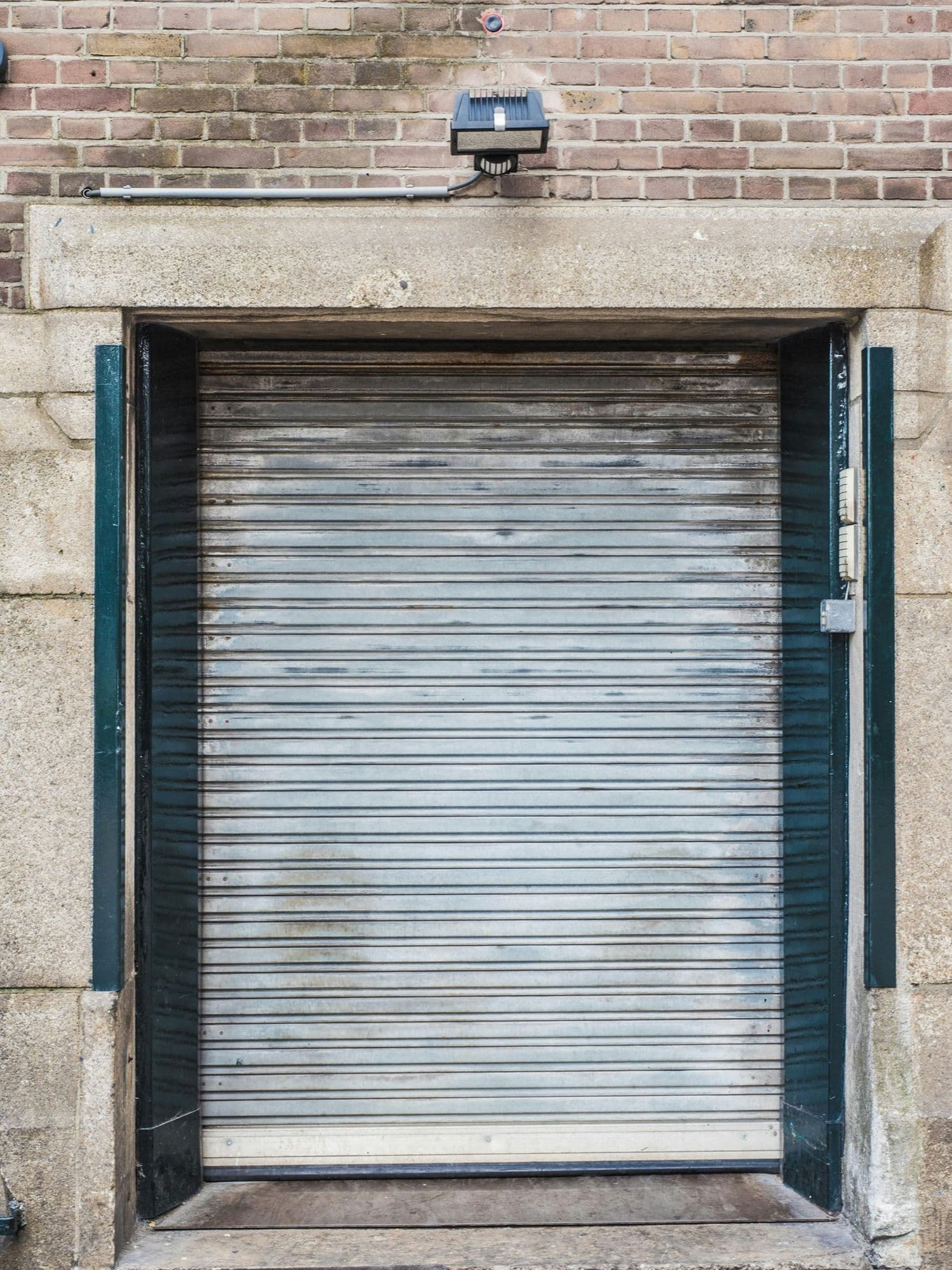
A roller shutter is a curtain of interlocking laths that coils onto a barrel in a box above the opening and runs in a guide at each side. That description fits the cheapest garage shutter and one built for a jeweller. The difference lies in the lath, the guides, the drive and the way it is fixed to the building.
Choosing the lath
Solid steel lath gives the most privacy and the most resistance, and turns the frontage into a blank wall after hours. That suits a warehouse or a rear loading bay. On a high street it tends to attract graffiti and, increasingly, planning objections.
Perforated lath is the same steel punched with rows of small holes. Light gets through, the window display stays visible at night, and a passing patrol can see into the shop. Vision lath goes further, with clear polycarbonate set into punched slots. Councils that refuse a solid shutter will often accept one of these.
Foam-filled aluminium lath is lighter, quieter and better at holding heat in. It belongs on garages and domestic openings. We would not fit it anywhere security is the reason for having a shutter.
Box, guides and fixing
The box holds the coiled curtain, and its position changes how the frontage reads. Fixed to the face of the building it is the cheapest to fit and the easiest to service, but it is always in view. Recessed behind the fascia it disappears, provided there is depth behind the sign board, which we establish on survey rather than on the day.
Guides are the part most people never think about. They stop the curtain being prised out at the sides, and they only work if they are fixed into sound masonry at close centres. We do not fix guides to timber, to render, or to an old shopfront frame.
Opening it
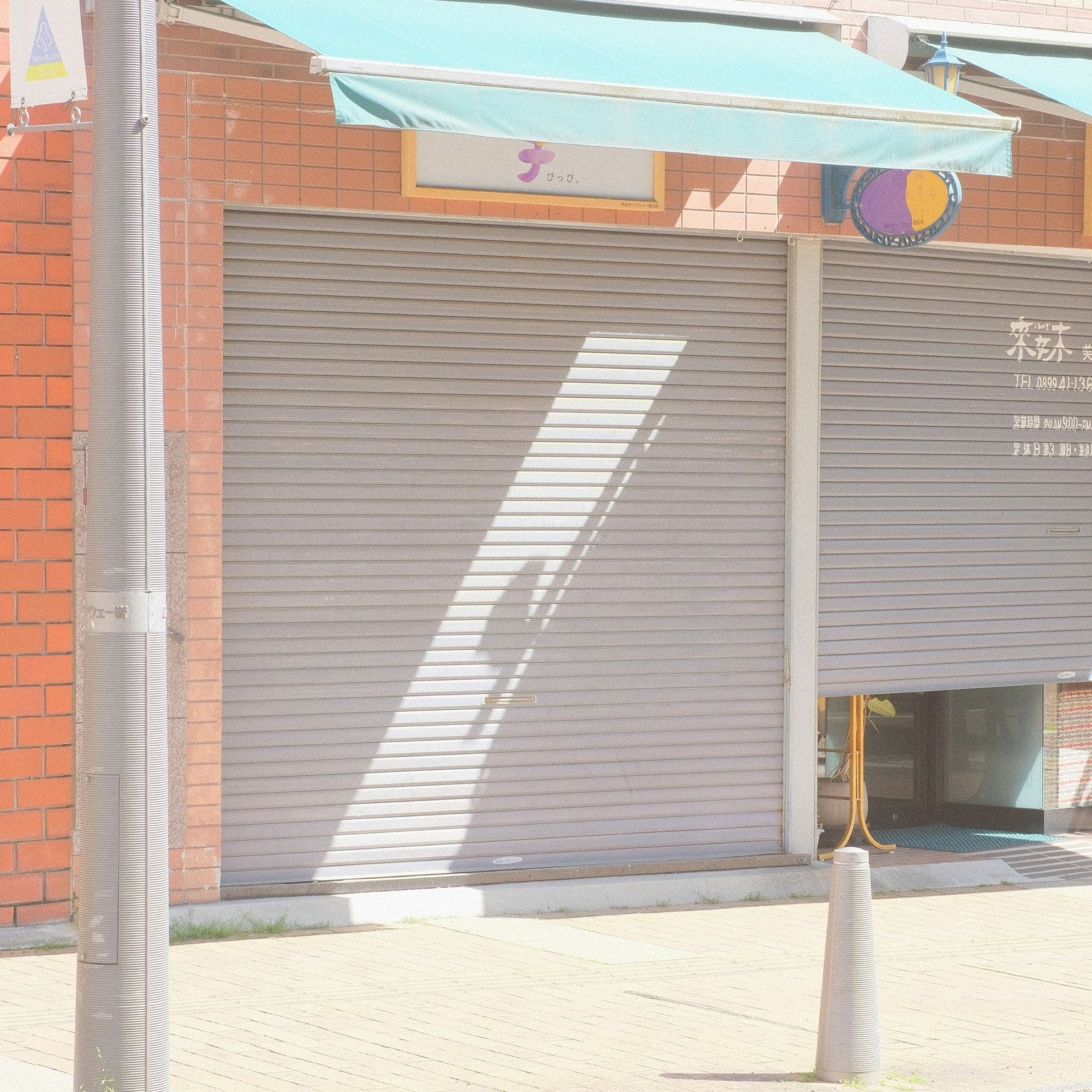
Spring-assisted manual shutters, pushed up by hand, are fine for a modest opening and a light curtain. Beyond that the choice is a hand crank, slow but almost impossible to break, or a motor.
Most of what we fit is electric, with a tubular motor inside the barrel run from a key switch or remote. Every motorised shutter we install has a manual override so it can be wound up or down in a power cut, and whoever opens the shop is shown how to use it before we leave.
A key switch that has to be held for the curtain to move, known as hold-to-run, keeps somebody watching the shutter all the way down. Over a pavement that is the safest arrangement. If you want single-press or remote closing from across a car park, the bottom rail needs a safety edge that stops and reverses the curtain when it touches anything.
Keeping it running
A shutter is a machine that runs twice a day, outdoors, in all weathers. Grit builds up in the guides, the bottom seal splits, the limit settings drift. A service once or twice a year means cleaning and lubricating the guides, checking the curtain’s fixings to the barrel, testing the motor and the override, and resetting the limits. It costs far less than a Monday-morning callout to a shutter stuck halfway.
05
Asked on survey
- Can the shutter go inside the shop instead?
- Yes. An internal shutter drops behind the glass, so the frontage looks the same by day and by night, planning is rarely a concern, and the shutter is out of the weather. The trade-off is that the glass itself is unprotected, so a broken window still needs replacing.
- What happens in a power cut?
- Every motor we fit has a manual override, usually a crank that turns the barrel directly. It is slower than the motor, but the shop can still be opened and locked.
- Can my manual shutter be motorised?
- Often, if the curtain and barrel are in good order and the box has room for a tubular motor. We check the curtain weight and barrel diameter before quoting.