Commercial shopfront and shutter installers
Shopfronts, shutters and security doors.
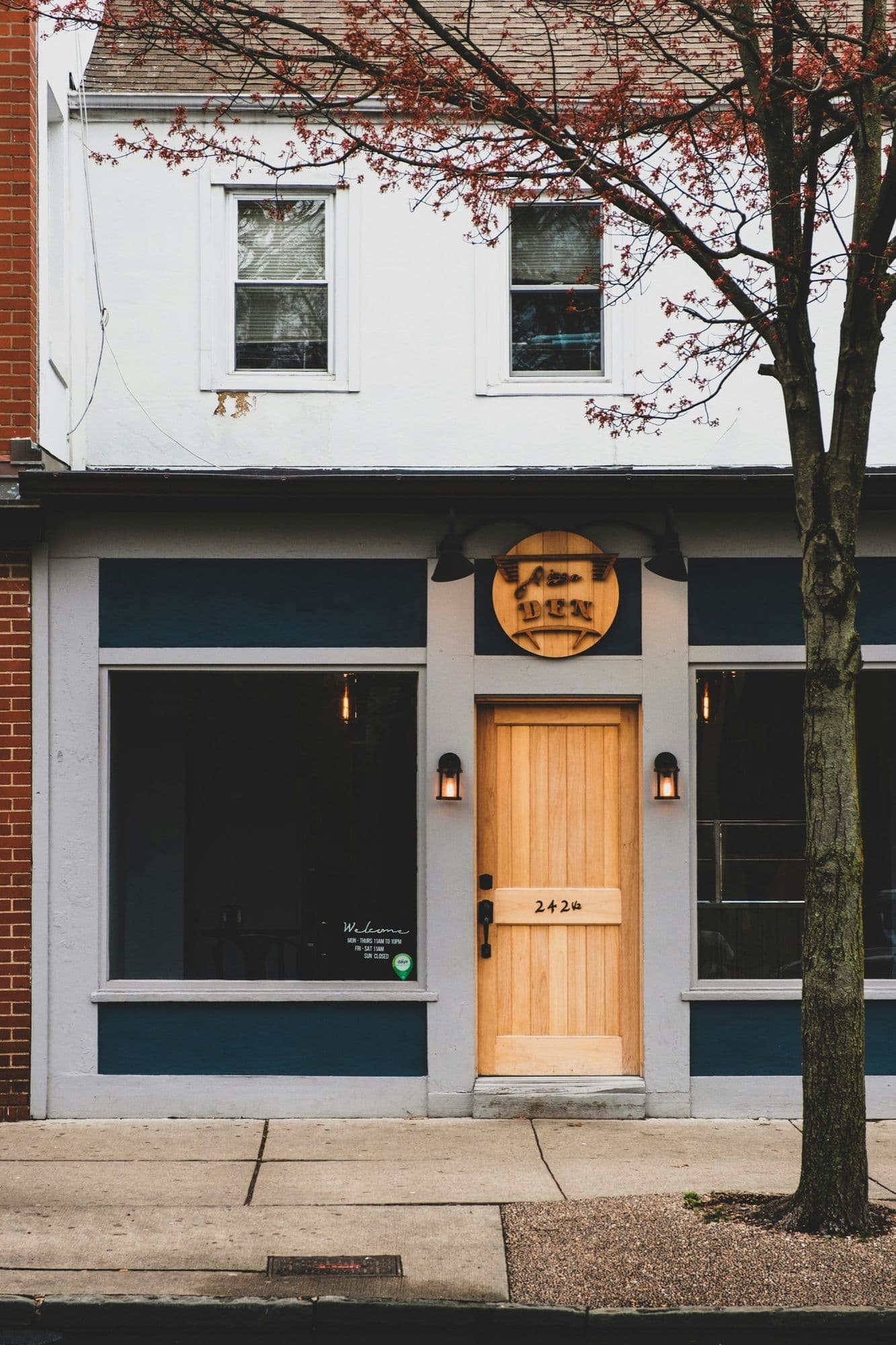
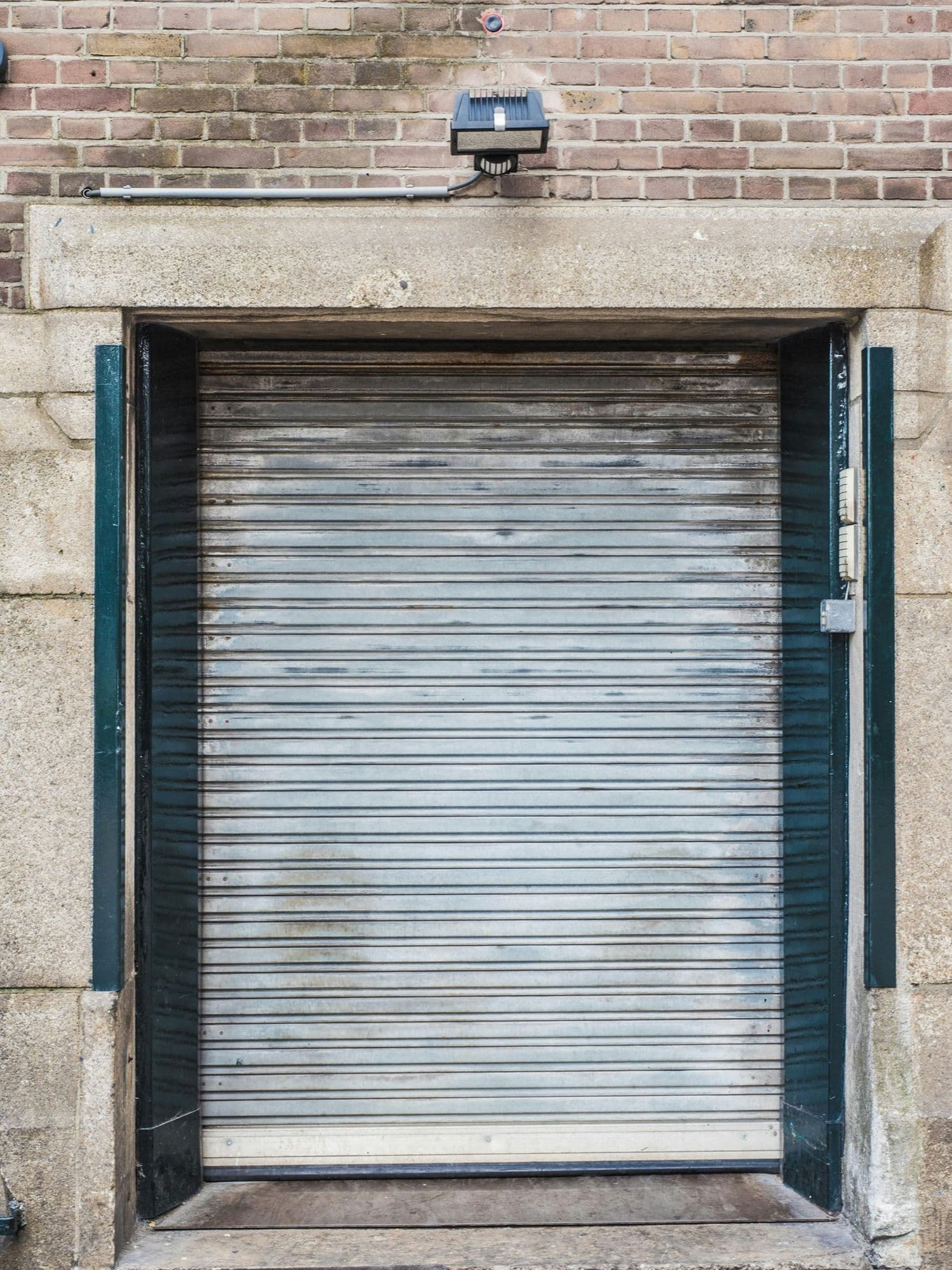
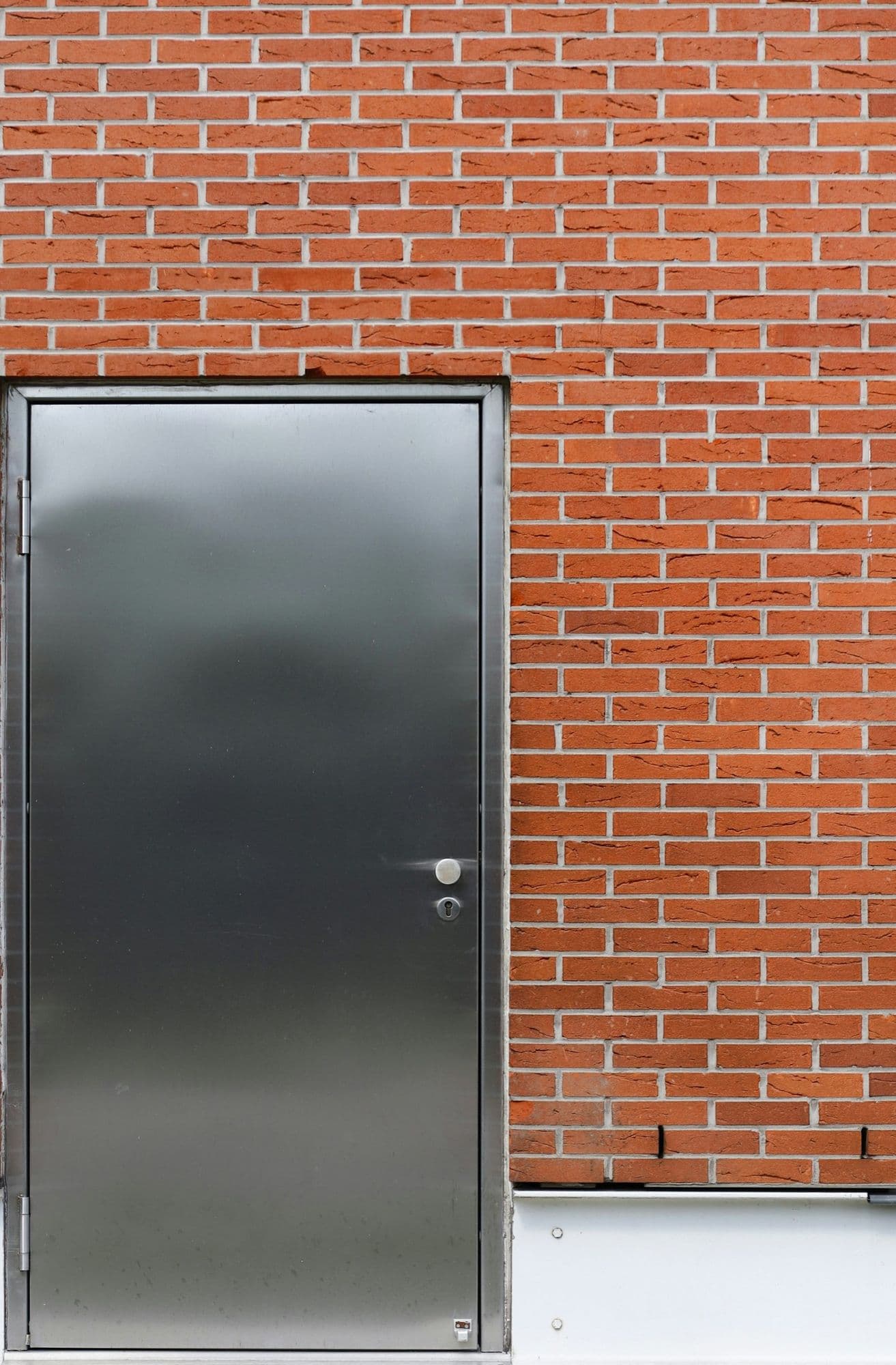
It has to lock every night and open every morning.
Surveyed, drawn, fitted and looked after for shops where the frontage is also the security: jewellers, chemists, off-licences and phone shops among them.
Emergency calloutAny hour, every day of the yearOn every job
From the first visit to the last call.
How a job runs →- 01
Survey
A survey in person before any price is final.
- 02
Drawing
A scaled drawing, signed by you, before anything is ordered.
- 03
Fitting
Premises left lockable at the end of every day on site.
- 04
Handover
A handover to whoever actually opens and closes the shop.
- 05
Aftercare
Repair quotes in writing, with photographs of what we found.
01
What we fit
Eight kinds of work, all of them concerned with the openings in a commercial building: how they look from the street, how they lock, and how they keep working after the thousandth time.
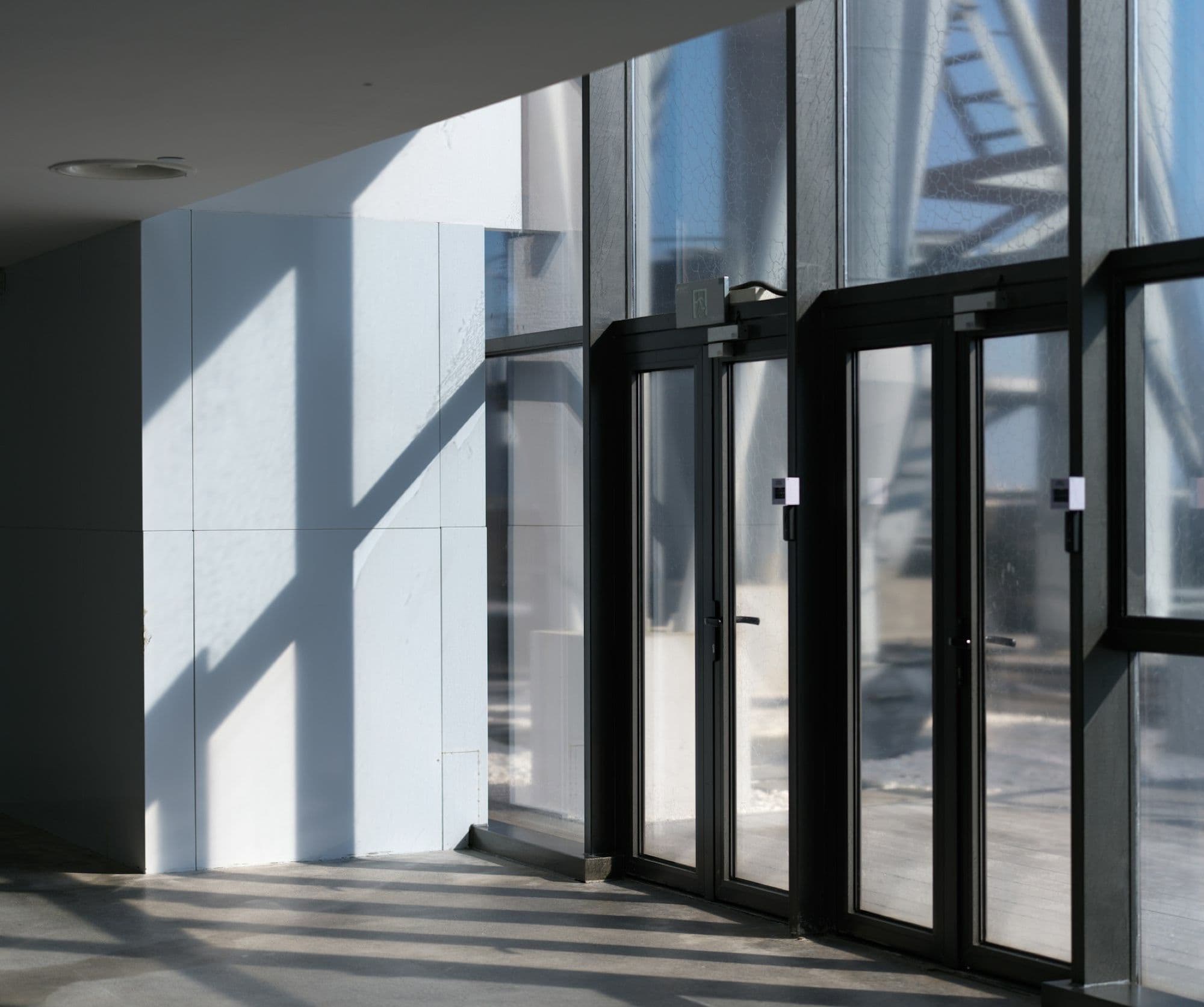
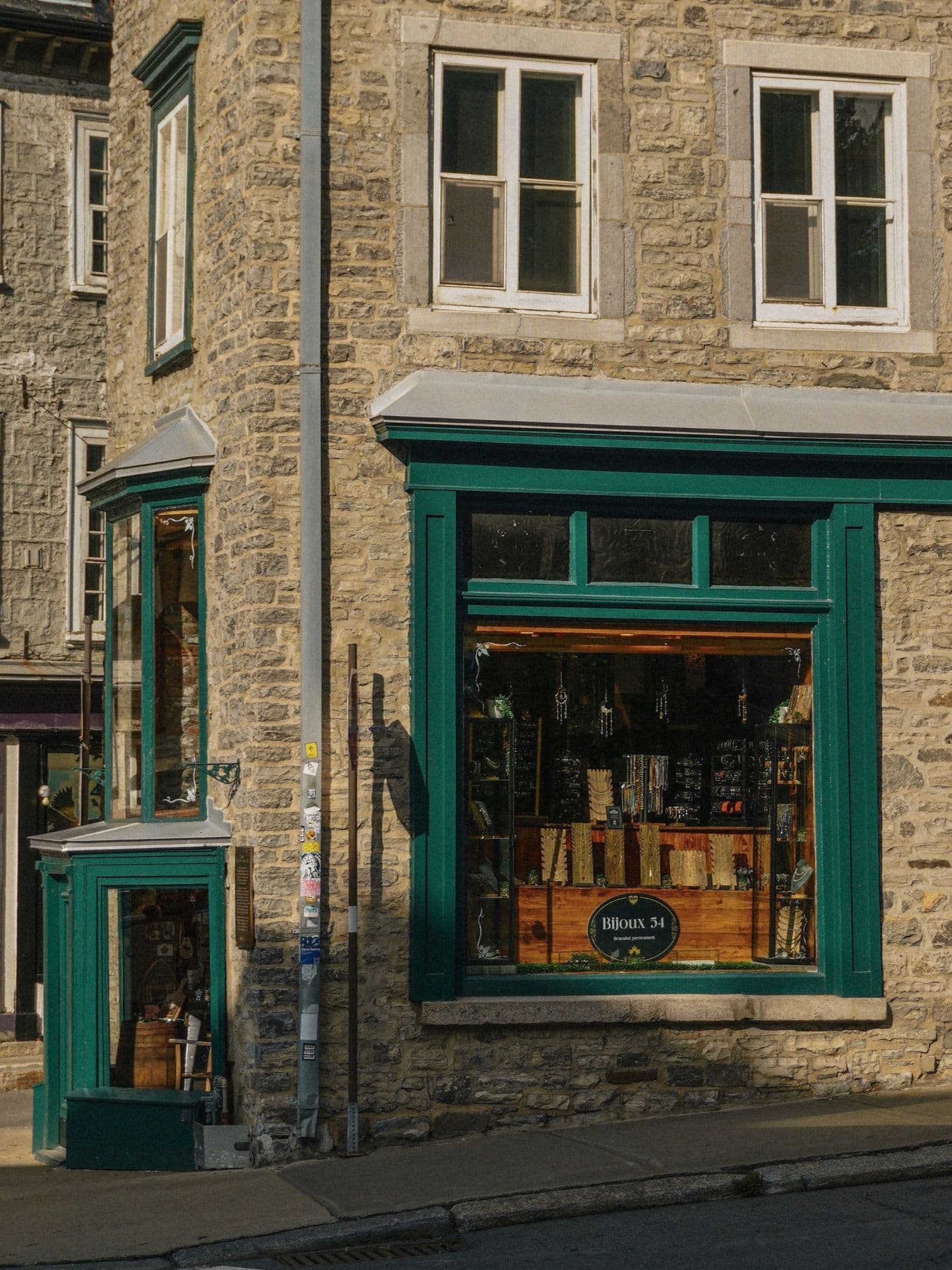
Shopfronts
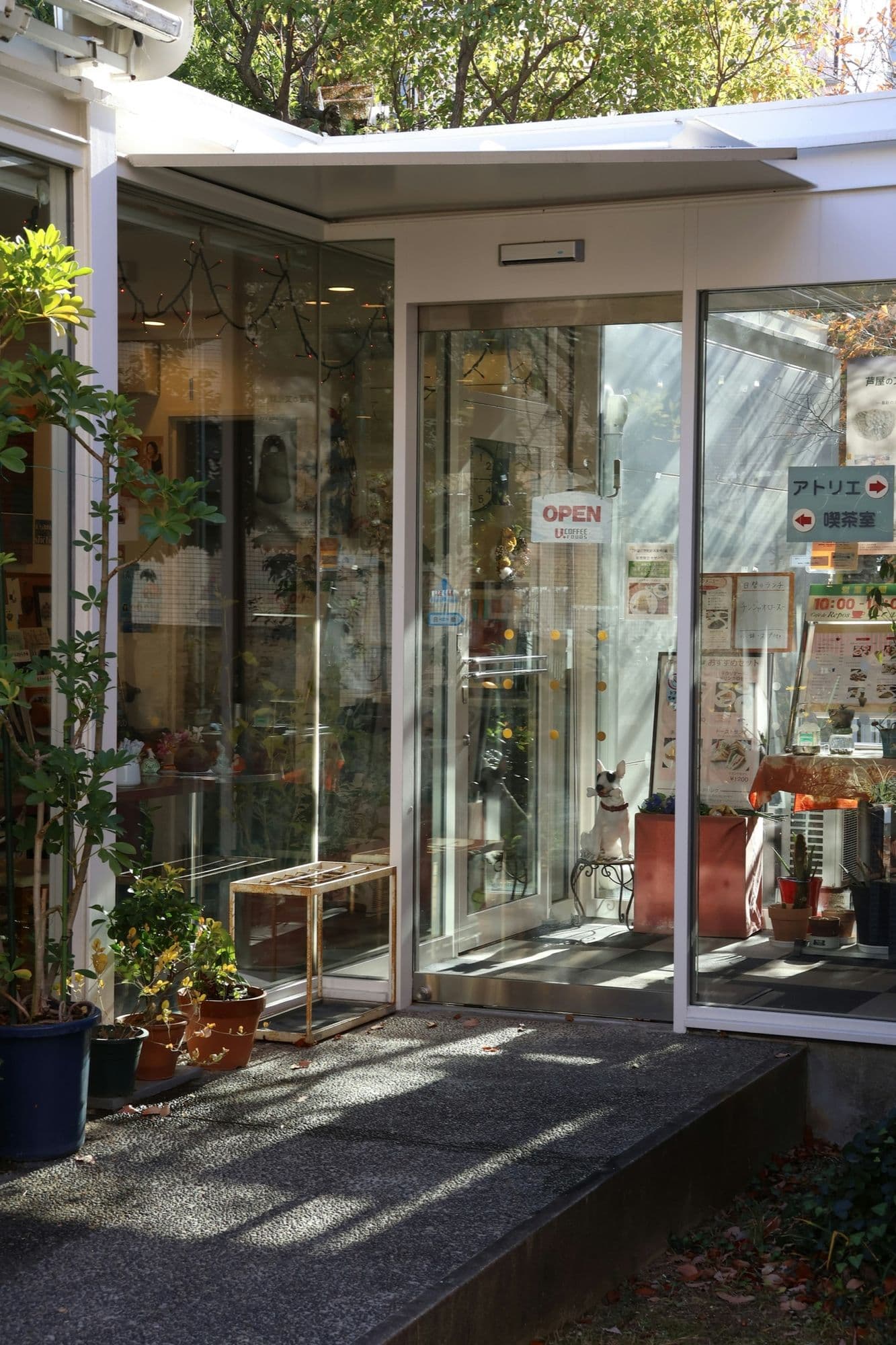
Shutters
Doors
02
How a job runs
- i
Survey
We come and measure. Not an estimate from a photograph: the opening, the masonry either side, the depth behind the fascia, the floor level, where the power comes from. We also ask what is in the shop overnight, because that decides the specification more than the size does.
- ii
Drawing
You receive a scaled elevation of the frontage with the specification written against it: sections, glass, locks, lath and finish. Nothing is ordered until you have signed it, and if the council needs to see it, the same drawing goes in with the application.
- iii
Fabrication
Frames are cut and assembled, shutters built to the measured size, glass toughened to template. Most of the lead time sits here, which is why the survey has to be right the first time.
- iv
Fitting and handover
The old frontage comes out and the new one goes in, with the premises left lockable at the end of every day on site. Before we leave, whoever opens and closes the shop is shown how everything works, including the manual override on a motorised shutter: the thing people most often discover only when they need it.
“A shutter is a machine used twice a day, outdoors, by somebody in a hurry. Everything we specify starts from that person.”
03
On security
Most shops need less security than they are sold, and more than they had. The useful question is not how strong, but what somebody would come for and how long they would have to get it.
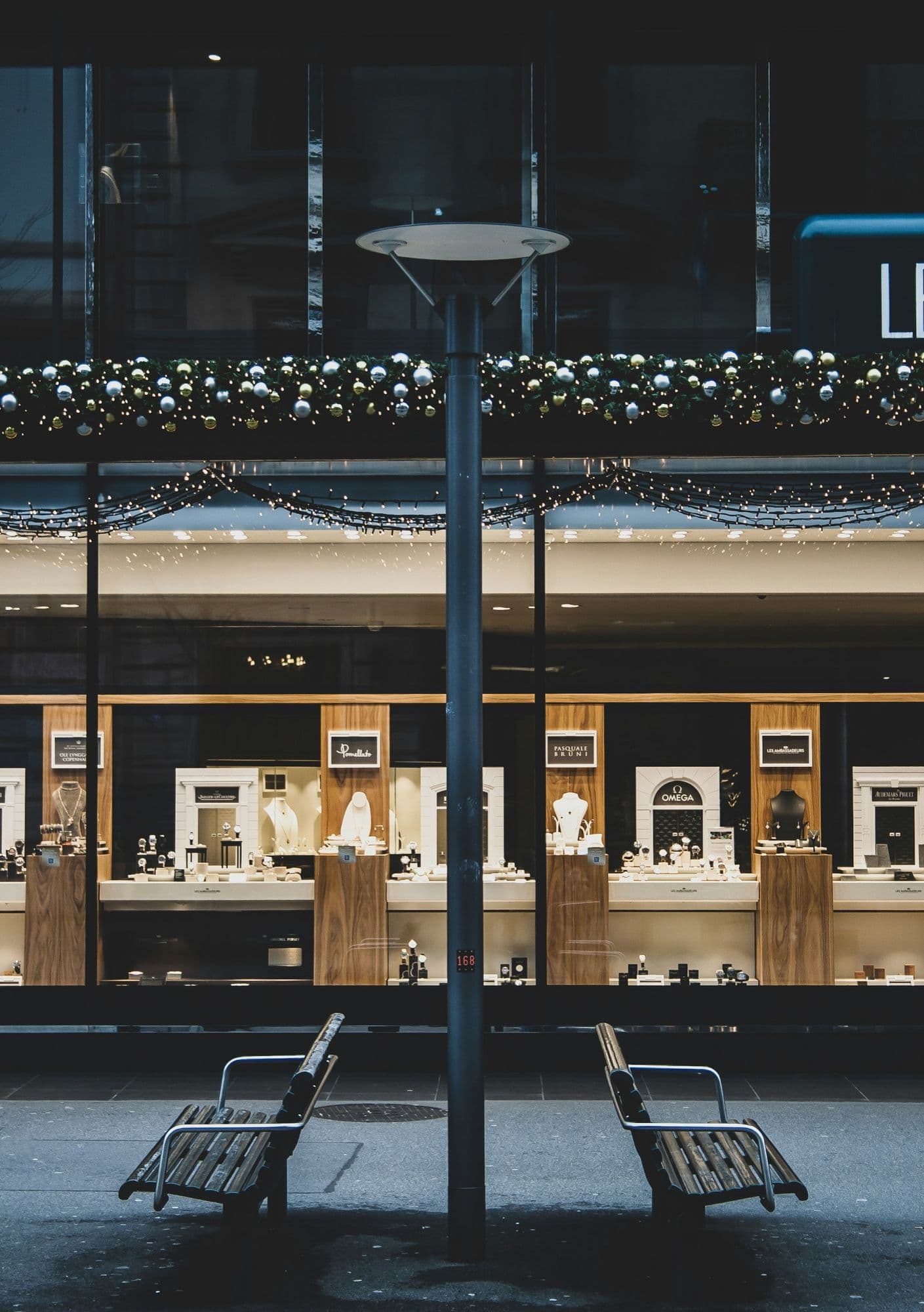
A café’s risks are vandalism and the occasional opportunist, and a well-fitted perforated shutter with a decent lock deals with both. A pharmacy holds controlled drugs. A jeweller or a phone shop holds small, valuable stock that can be carried off in a minute. Those are the premises where insurers name a standard, usually LPS 1175, and where it pays to layer the protection: laminated glass that stays in its frame, a rated shutter outside or a grille inside, a steel door at the back, and something on the kerb line if a vehicle can reach the glass.
The weak points are rarely the ones people look at. A shutter’s strength is in its guides and its bottom lock, not the thickness of its lath. A back door’s strength is in its frame fixings and hinge bolts. We would rather spend your budget there than on a heavier curtain.
04
Afterwards
Shutters and automatic doors are machines. They need servicing, they occasionally break, and when one breaks at closing time somebody has to come out. We maintain what we fit, repair what other people fitted, and answer the phone when a shop cannot be locked.