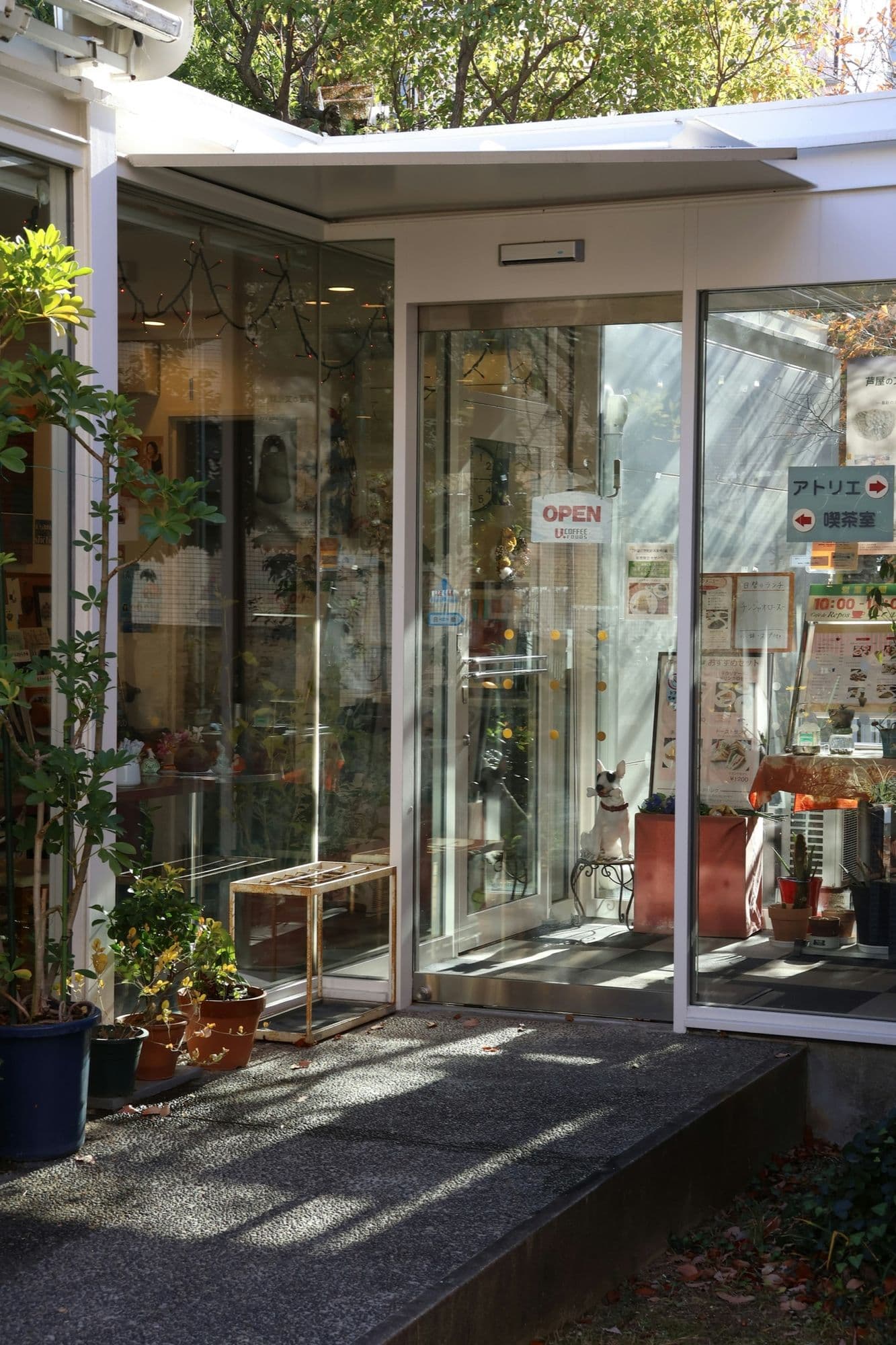
Automatic doors
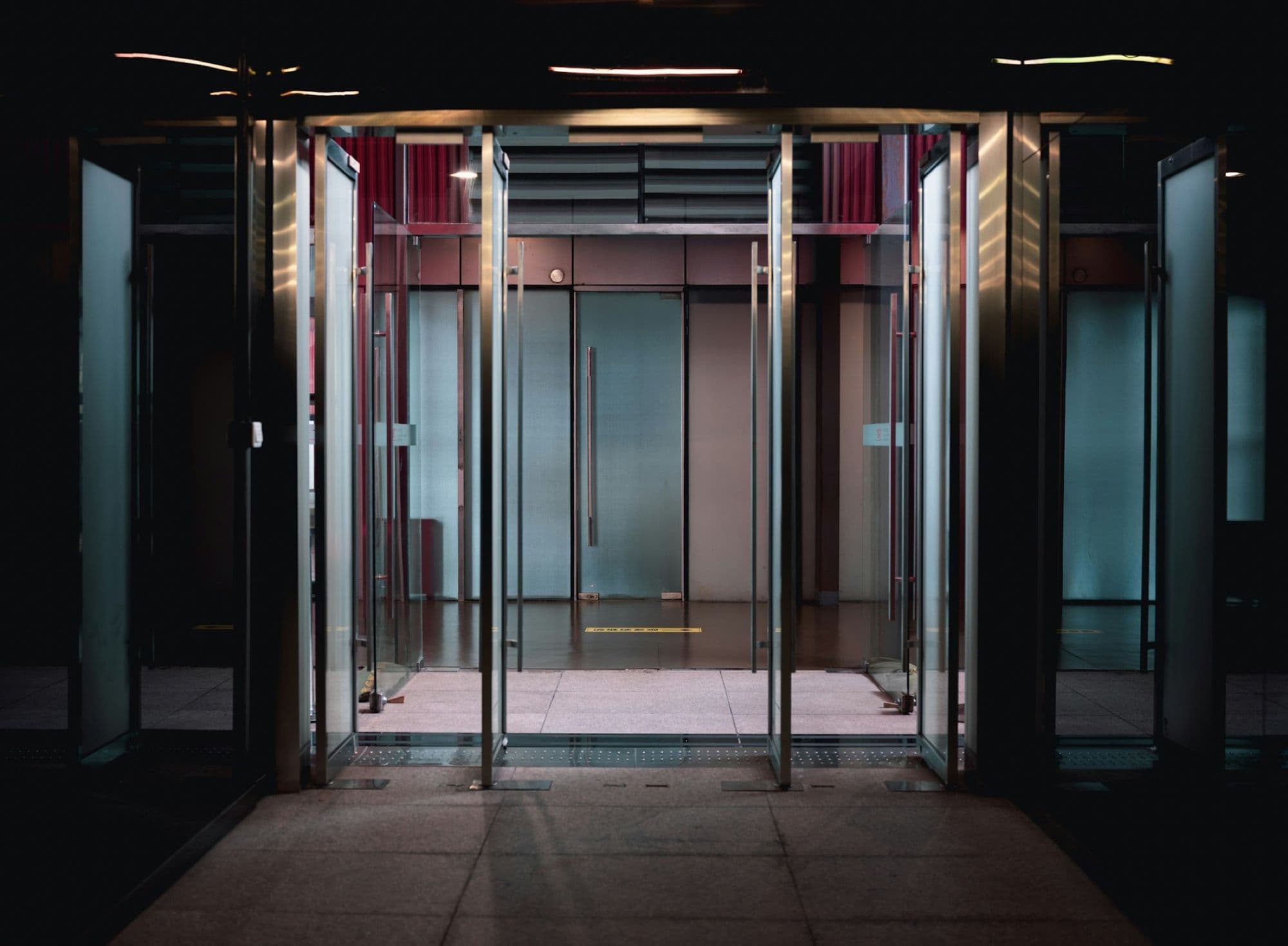
An automatic door is judged on one thing: whether someone with a pushchair, a walking frame or two bags of shopping gets through without breaking stride. Getting there is mostly a matter of the right door type for the space, sensors set for how people really approach, and a door that fails safe.
Sliding, swing or telescopic
Sliding doors are the default wherever there is wall on either side for the leaves to run across. Bi-parting sliders, two leaves meeting in the middle, give the widest clear opening for the space. A single slider suits a narrower entrance with room to one side only. Telescopic sliders, with two leaves stacking on each side, win a wide opening from a tight frontage.
Where there is no room to slide, a swing operator mounts on the head of a hinged door. Low-energy swing operators move slowly and with limited force, which allows lighter safety sensing, and they are the usual way to make an existing door hands-free.
Sensors and safety
Sensors on an automatic door do two jobs: deciding when to open, and making sure the door never closes on anyone. A radar detector on the head picks up movement towards the entrance; presence sensors watch the threshold and the path of the leaves so the door stays open while someone is in it.
The governing standard is BS EN 16005, and it is not a formality. Each installation gets a risk assessment covering who uses the entrance, how quickly they approach, and whether children or people with limited mobility are likely, and the speeds, forces and sensing zones are set to suit. You keep a copy from handover.
Escape routes and power cuts
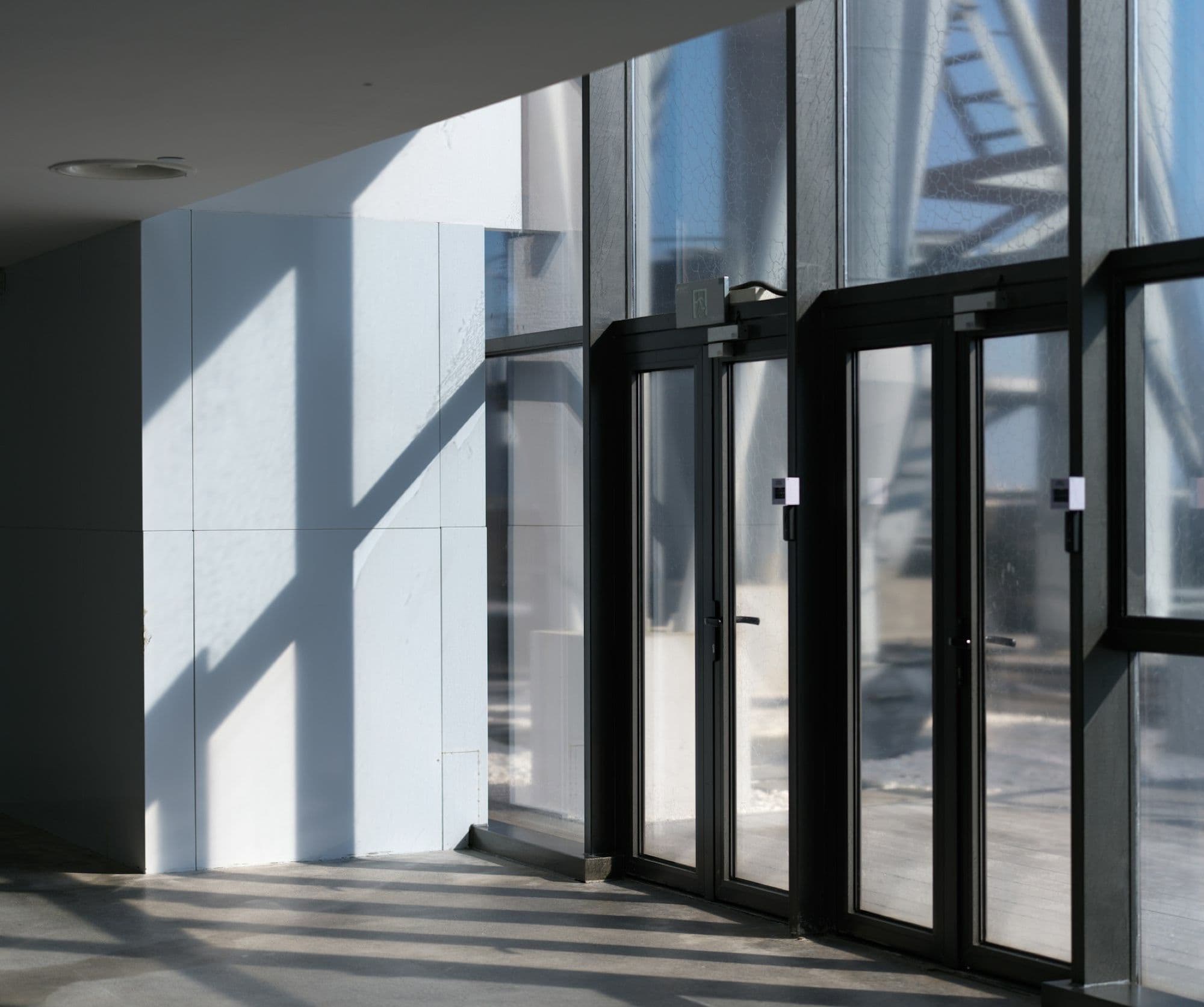
If the entrance is also a fire exit, the sliding leaves must break out, swinging open like hinged doors when pushed from inside, or the operator must open and stay open on a fire alarm signal and on loss of power. A battery backup covers the second case. Which is needed depends on how the building’s fire strategy treats the door.
At night the leaves lock electromechanically, and a program switch sets the mode: automatic, exit only, fully open or locked. The key for it belongs to whoever locks up.
Into an existing frontage
A sliding operator can go into a new aluminium or frameless frontage, or be retrofitted to an existing one if the head can carry the track and leaves. For a shop that simply needs its current door to open for wheelchair users, a low-energy swing operator on the existing leaf is often the quickest and least expensive answer.
05
Asked on survey
- How often does it need servicing?
- At least once a year, including a re-test of the safety sensors. Busy entrances do better with two visits a year; belts, rollers and sensors all wear with use.
- Will it work in a power cut?
- Only with a battery backup, which is usually worth having. Without one, the door is set up during commissioning to be pushed open by hand or to break out.
- Can it be locked at night?
- Yes. An electromechanical lock holds the leaves when the program switch is set to locked, and most operators will also take a key-operated lock as a second measure.